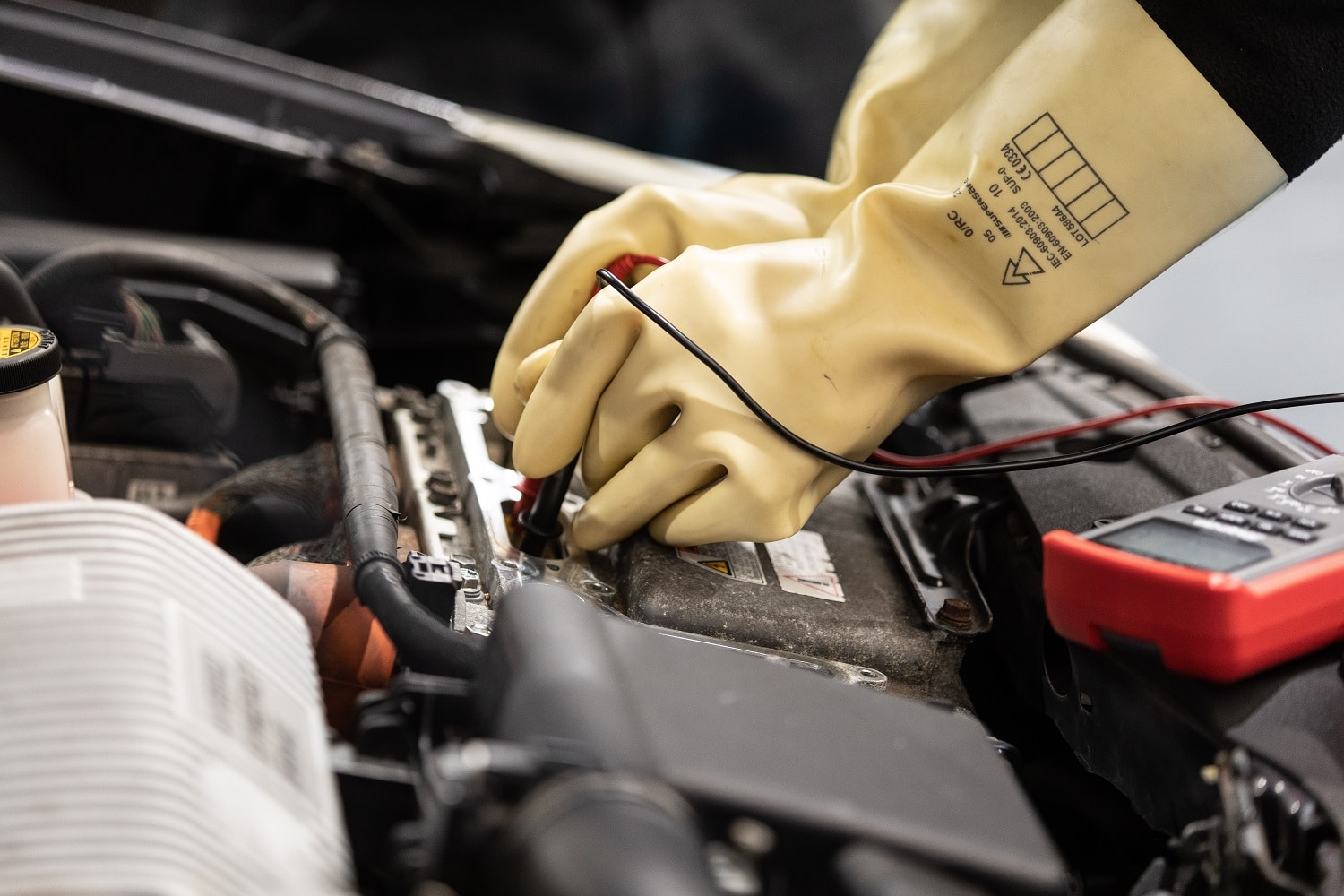
Independent garages across the UK are at risk of being refused insurance cover if they do not have electric vehicle (EV)-trained technicians on site, as insurers begin to tighten requirements around high-voltage vehicle work.
The warning follows a real-world case in which an independent garage approached Autotech Training after its insurer declined to offer cover, citing the absence of a qualified EV technician as a significant risk factor.
While EV training has traditionally been viewed as a way to future-proof businesses or unlock new revenue streams, this case highlights a critical shift: it is increasingly becoming essential simply to remain operational.
EV training moves from opportunity to necessity
With more than two million electric vehicles now on UK roads and adoption continuing to accelerate, independent workshops are encountering EVs more frequently. However, many are still not equipped with the skills required to work on high-voltage systems safely.
As a result, insurers are reassessing risk.
“From an underwriting perspective, garages working on high-voltage vehicles without appropriately trained technicians present a significantly elevated risk,” comments Andrew Harris ACII, a Chartered Insurance Broker with 18 years industry experience providing general risk management and insurance advice. “In the event of an incident, questions around competence, compliance and duty of care can directly impact liability and claims outcomes. Without evidence of appropriate training, this is a level of risk many insurers are no longer willing to accept.”
Although EV training is not currently a legal requirement, existing legislation places clear responsibilities on employers. Under the Health and Safety at Work Act 1974 and the Electricity at Work Regulations 1989, businesses must ensure that employees are competent to carry out their work safely.
Given that electric vehicles contain high-voltage systems capable of causing serious injury or death, this places a clear obligation on garage owners to ensure technicians are properly trained.
For businesses, the implications go beyond compliance. If an incident occurs involving an untrained technician, insurers may refuse to pay out on a claim. In more serious cases, garage owners could face enforcement action or prosecution if it is found that adequate training and safety measures were not in place.
A growing issue across the aftermarket
The case reported to Autotech Training reflects a wider shift across the automotive aftermarket. As the EV parc continues to grow, more independent garages are encountering electric vehicles as part of routine servicing and repair work.
At the same time, insurers are placing greater emphasis on demonstrable competence when assessing risk.
This is changing how EV training is perceived across the sector – from a commercial advantage to a core operational requirement.
Training as a practical solution
Autotech Training, an IMI-approved training provider, is supporting garages in addressing the issue through on-site EV training programmes focused on practical, hands-on learning. Delivering training within the workshop environment allows technicians to work on familiar vehicles and equipment, making the learning immediately applicable while minimising disruption to day-to-day operations.
“We are seeing a clear increase in demand for EV training as garages recognise the risks of not being prepared,” comments Alistair McCrindle, Operations Director at Autotech Training. “This is no longer just about future-proofing or new revenue opportunities – it’s about protecting staff, meeting legal responsibilities and ensuring the business can continue to operate.”
Act now or risk falling behind
Garages that delay investing in EV training risk more than missed opportunities. Without the right skills in place, they may struggle to secure insurance, be forced to turn away EV work, or rely on subcontractors, impacting both revenue and reputation.
On-site training provides a practical route to building in-house capability, enabling multiple technicians to gain accredited EV qualifications while maintaining productivity.
Alistair concludes: “Garages that invest in their teams now will benefit from safer operations, stronger customer confidence and a business that remains compliant and competitive as the shift to electrification accelerates.”