The Government’s proposed pay-per-mile electric vehicle duty (eVED) could cost the UK’s fleet sector £260 million a year by 2028 through compliance alone, according to new analysis from the British Vehicle Rental and Leasing Association (BVRLA).
The cost is based on BVRLA member data, and driven by both direct administration (£75 million) and lost productivity from vehicles taken off the road for mileage checks (£185 million).
This equates to around 10% of total revenues raised, with some members estimating the true cost could reach 40–45 pence per £1 collected once operational impacts are included, far above HMRC’s 0.5% efficiency benchmark.
The estimates exclude one-off implementation costs, the cost of mileage readings at approved centres, and the tax itself.
With BVRLA members currently operating 1.1 million battery electric and plug-in hybrid vehicles, rising to 1.5 million by 2027, the scale of impact will grow rapidly.
“Extremely fleet hostile”
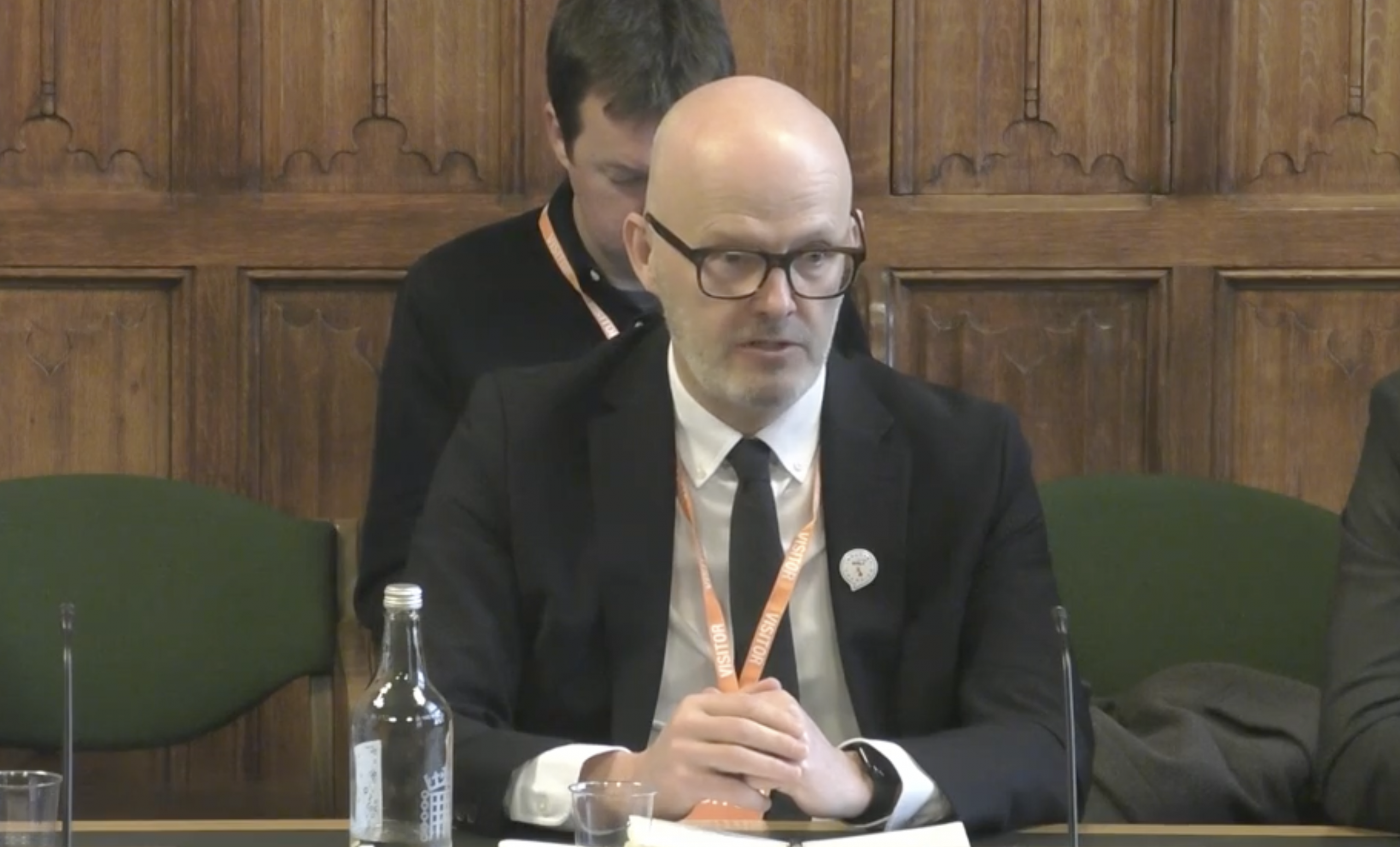
Giving evidence to the Transport Committee’s inquiry into “Supercharging the EV transition”, BVRLA Chief Executive Toby Poston warned that the scheme, as currently designed, is being introduced “in the wrong way at the wrong time.”
He told MPs the policy is “extremely fleet hostile”, presenting feedback from BVRLA members that highlights the practical challenges of delivering the scheme at scale:
- Vehicles are often out on lease and rarely physically inspected, making accurate mileage collection complex
- The system would require estimating, reporting, verifying and reconciling mileage across large fleets
- Annual verification processes would create significant vehicle downtime and operational disruption
BVRLA say the policy in its current form risks becoming an “administrative headache,” adding friction and cost to businesses that are central to delivering the UK’s EV transition.
Evidence to the Transport Committee echoed these concerns, warning that additional costs will erode the total cost of ownership benefits of EVs and be passed on to customers, undermining affordability and confidence at a crucial point in the transition.
Toby Poston, CEO of the BVRLA, said:
“Based on current fleet data, eVED would have cost rental, leasing and fleet operators around £185 million in 2025 through a combination of administration and vehicle downtime. That rises to roughly a quarter of a billion pounds by 2028 as fleets grow.
“In return, the Treasury is expected to collect around £595 million in eVED from the sector.
“This is not a marginal cost. It is a significant operational burden that ultimately feeds through to businesses and consumers who rely on these vehicles every day.
“It is an inefficient policy that adds unnecessary friction into a sector that is already investing heavily in decarbonisation.”
Fiona Howarth, Founder & Director of Octopus Electric Vehicles, added:
“By 2028, this is set to cost fleet operators around £250 million a year – money that ultimately comes from drivers, businesses, and households who rely on these vehicles every day.
“With huge uncertainty over oil prices and supply, we should be accelerating the transition to electric. A pay-per-mile approach risks doing the opposite. It adds complexity and cost just as drivers are starting to see EVs as the simpler, better option.
“This is increasingly looking like the wrong tax at the wrong time.”
Deterrent effect and mixed policy signals
BVRLA members have also raised concerns that the policy sends the wrong signal to current and prospective EV drivers, particularly as it applies to vehicles already on the road.
Industry feedback highlights that:
- The scheme risks penalising early adopters of EVs
- It introduces additional hassle, uncertainty and perceived unfairness
- It conflicts with wider Government messaging aimed at accelerating uptake
The BVRLA is calling on the Government to work with industry to redesign the scheme so that it is simpler, technology-enabled and aligned with real-world fleet operations.