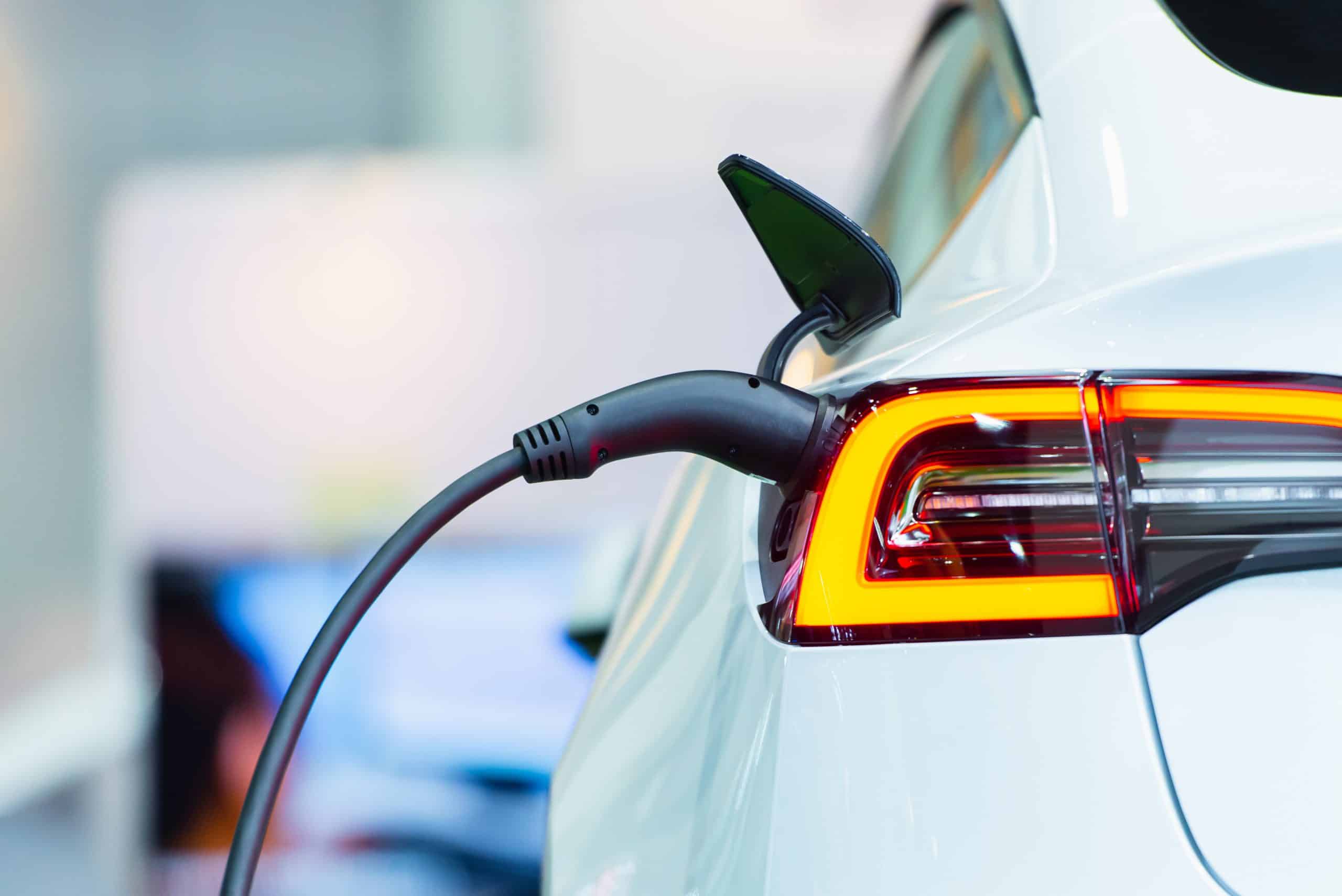
The Government is expected to meet with automotive industry leaders this week amid reports that it is considering changes to the UK’s Zero Emission Vehicle (ZEV) mandate.
Introduced under the previous Conservative government, the mandate requires vehicle manufacturers to increase the proportion of electric vehicles sold each year. Current targets require EVs to account for 28% of new car sales in 2025, rising to 33% in 2026 and continuing to increase annually until reaching 80% by 2030.
The mandate was introduced alongside a decision by former Prime Minister Rishi Sunak to delay the ban on the sale of new petrol and diesel cars from 2030 to 2035. Since taking office, the Labour government has recommitted to the original 2030 phase-out date as part of its plans to accelerate the transition to zero-emission transport.
However, industry groups have increasingly called for greater flexibility within the ZEV framework, arguing that current targets are placing pressure on manufacturers as they work to balance production plans with consumer demand for electric vehicles.
A formal review of the mandate had been expected next year, but reports suggest ministers are now considering bringing forward discussions following lobbying from across the automotive sector.
Under the current rules, manufacturers that fail to meet their annual EV sales targets can face penalties of £15,000 for every vehicle by which they miss their quota. Companies can also offset shortfalls by purchasing credits from manufacturers that exceed their targets. Reports indicate that no changes are currently planned to the compliance and credit trading system.
The outcome of this week’s talks could have significant implications for vehicle manufacturers, leasing companies and fleet operators as the industry continues to prepare for the UK’s transition away from petrol and diesel vehicles.
Russell Olive, UK Director, vaylens comments:
“Adjusting the ZEV mandate won’t remove the practical challenges businesses face when trying to electrify their vehicles.
“Policy can influence the pace of change, but successful electrification still depends on practical planning, better data and infrastructure that aligns with how vehicles are actually used.
“Many businesses aren’t being held back by a lack of ambition. They’re trying to understand which vehicles can transition today, what infrastructure they need and how charging fits around the way they operate.”
“Confidence is what will ultimately drive fleet electrification. Businesses need clarity on what vehicles can transition today, how charging will support their operations and whether their infrastructure can support growth over time if they are going to commit to electrification at scale.”
Matt Adams, Head of Electrical Transport Systems at BEAMA comments:
“Investors back certainty. Weakening the ZEV mandate risks sending exactly the wrong signal to businesses backing the UK’s EV transition.
“Manufacturers have committed to the UK because the Government set out a clear and ambitious direction of travel for electrification. Moving the goalposts now risks undermining confidence just as demand for electric vehicles and charging infrastructure continues to grow.
“At a time when the UK should be attracting capital into EV manufacturing and charging infrastructure, mixed policy signals risk making it harder to secure investment.
“That could slow progress, confuse consumers and make the UK a less attractive place to do business.”